
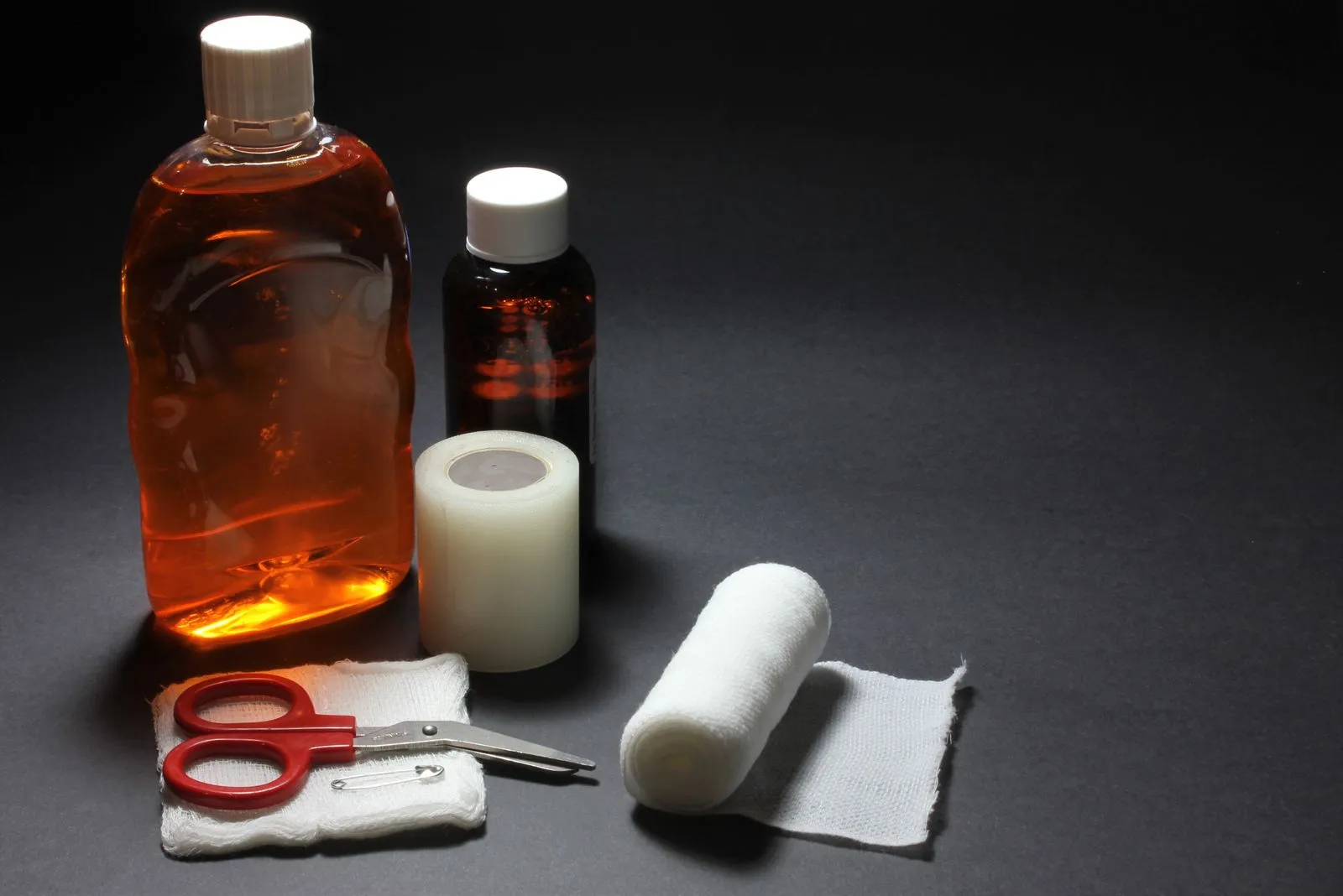
A well-stocked home first aid kit helps you respond to minor cuts, scrapes, and other everyday problems without searching through drawers. The right supplies depend on your household, including children, allergies, and regular medications. Start with dependable basics, keep everything in one easy-to-find place, and review the contents regularly. A first aid kit is for minor situations; serious injuries, severe allergic reactions, or symptoms that worsen need prompt professional care.
Stock practical essentials
For cleaning and covering minor wounds, consider adhesive bandages in several sizes, sterile gauze pads, rolled gauze, medical tape, and disposable gloves. Add antiseptic wipes or another appropriate wound-cleaning option, tweezers for splinters, small scissors, and a digital thermometer. Include hand sanitizer and a first aid guide with clear instructions.
You may also want a cold pack, elastic bandage, and a breathing barrier for CPR. Keep over-the-counter medicines only if they are appropriate for your household, and leave them in their original labeled packaging. Check with a pharmacist or clinician before adding medicines for children, people with chronic conditions, or anyone who takes other medications.
Tailor it to your household
Think about the people who may use the kit. Families with young children may need child-sized bandages and a reliable way to confirm medicine dosing, while people with known allergies may need their prescribed emergency medication kept accessible. Do not place essential prescription medicines in a kit if heat, moisture, or storage conditions could damage them; follow the product label and your prescriber's instructions.
Add contact information for emergency services, your preferred medical provider, and poison control. In the United States, Poison Control can be reached at 1-800-222-1222. If household members have specific medical needs, ask a clinician or pharmacist which supplies belong in the kit and how to use them safely.
Organize for quick access
Choose a sturdy, portable container with a secure closure. Store it in a cool, dry place that adults can reach quickly but young children cannot access. Avoid bathrooms, hot cars, and spots near sinks or stoves, where moisture and temperature changes can affect supplies. Tell everyone in the household where the kit is kept.
Use small labeled pouches or sections to group wound care, tools, protective supplies, and medicines. Keep instructions and emergency contacts near the top. Put frequently used items where they are easy to reach, and return supplies to the same place after use. Make sure the container is clearly marked so it is not mistaken for ordinary storage.
Check dates and replenish
Review the kit every few months and after anyone uses it. Check expiration dates on medicines, antiseptic products, and other items with date labels. Replace expired products, damaged packaging, and supplies that look wet, dirty, or otherwise compromised. For items without expiration dates, follow the manufacturer's storage guidance and replace them if their condition is uncertain.
Keep a simple checklist inside the container with each item and its expiration date. When you use a supply, mark it for replacement right away. A recurring calendar reminder can help you complete a full check, but do not wait for the reminder if you notice the kit is missing something. Dispose of expired medicines according to their label or local disposal guidance.
A useful home first aid kit is easy to find, suited to your household, and ready for minor injuries. Start with basic wound-care supplies, store them safely, and set a reminder to replace used or expired items. For help selecting products or checking medicine storage, ask the team at Dublin Care Pharmacy.